A Scenic Escape to Sokcho: What to See, Eat, and Experience
Nestled on Korea’s northeastern coast, Sokcho blends stunning nature, rich cultural history, and fresh seafood markets into a destination worth exploring in every season. Whether you're visiting for a weekend getaway or a day trip, this guide will help you plan a well-rounded Sokcho journey—from mountains to markets, sea to steaming bowls of local specialties.
Ride to the Heights: Seoraksan Cable Car & Gwongeumseong Fortress
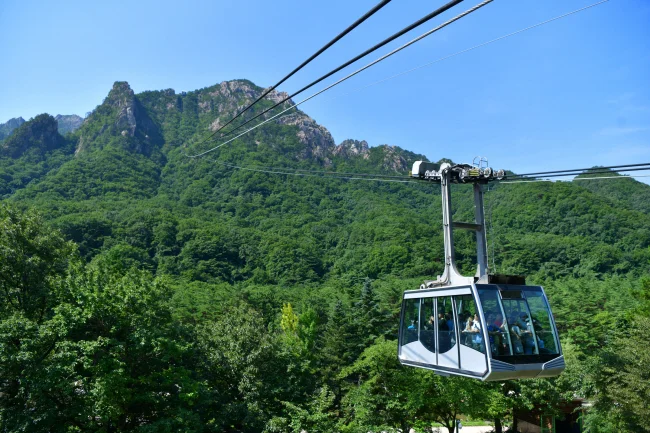
A Sokcho visit often begins with its most iconic experience—the Seoraksan Cable Car. Departing from the Seoraksan National Park area, the cable car ascends to an elevation of about 700 meters, offering panoramic views of rugged peaks. In colder months, snow-draped ridges make the ride especially enchanting.
• Cable Car Fare: Adults 15,000 KRW / Children 11,000 KRW (round trip)
• Parking Fee: 6,000 KRW
Recommended Stop: After arriving at the upper station, a short walk leads to Gwongeumseong Fortress, where panoramic viewpoints await.
Tip: Wear sturdy shoes if you plan to walk to the fortress—paths may be icy or uneven depending on the season.
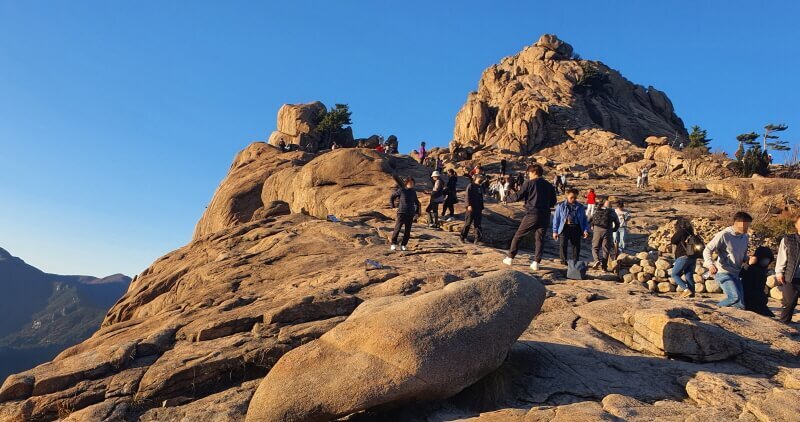
For Hikers: Ulsanbawi Trail at Seoraksan
If you're looking to break a sweat and see Sokcho’s dramatic landscape from above, the Ulsanbawi Rock Trail is one of Seoraksan’s most celebrated hiking routes. Known for its towering granite cliffs and panoramic views, this moderate hike begins at the same entrance area as the Seoraksan Cable Car but veers into a more adventurous direction.
Trail Overview
• Start/End: Seoraksan Sogongwon Parking Lot
• Route: Sogongwon → Sinheungsa Temple → Heundeulbawi (Rocking Rock) → Ulsanbawi Peak → return via same path
• Distance: ~ 8.1 km round trip
• Estimated Time: ~4.5–5 hours round trip
• Elevation: Peak at 878m
• Level: Moderate (final stretch includes steep staircases)
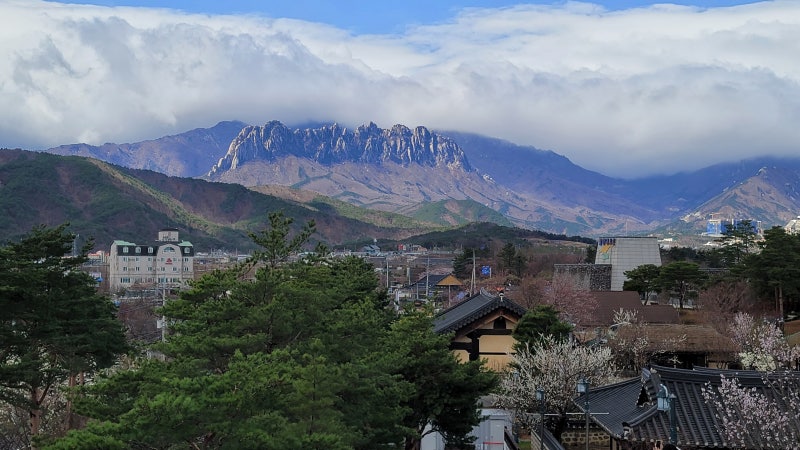
What to Expect
Begin your hike from Sogongwon Parking Lot, where you'll also find restrooms and a small convenience store. The first stretch to Sinheungsa Temple is flat and scenic, passing photo spots and cultural sites. From there, you'll pass three more temples- Anyangam, Naewonam, and Jogyeam—as you gradually ascend.
Midway through, you’ll reach the famous Heundeulbawi, a giant boulder that can be rocked (barely) by visitors. It’s a popular rest stop before tackling the tougher final kilometer to the peak.
The last section involves steep staircases and exposed rock paths, but the reward at the summit is spectacular: expansive views of Seorak’s jagged ridges, Sokcho city, and even the East Sea on clear days.
Tip: There’s little shade near the peak—bring sun protection, water, and light snacks. The route is well-marked and commonly traveled, making it suitable even for solo hikers.
Address:
Seoraksan Sogongwon Parking Lot
Sea Breeze & Leisure: Sokcho Beach and Sokcho Eye Ferris Wheel
Sokcho Beach remains a favorite stop on any trip to the city. Located along the eastern coast, it offers sweeping views of the East Sea and a long stretch of sandy shoreline perfect for a stroll. In summer, the beach bustles with swimmers and seasonal events, while in the off-season it becomes a tranquil spot to admire the deep blue waves and capture peaceful seaside moments.
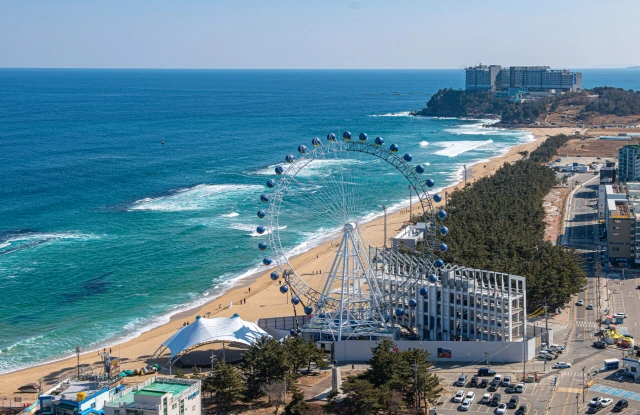
Near the beach stands the Sokcho Eye, a large Ferris wheel that provides a panoramic view of Sokcho city, the coastline, and beyond. It’s a great activity for families, couples, and friends looking to add a unique vantage point to their trip.
Sokcho Eye Information
• Operating Hours: 10:00 AM – 8:00 PM (last ticketing and entry 30 mins prior)
• Admission: Adults 12,000 KRW / Children 6,000 KRW / Seniors & groups 9,000 KRW
• Add-on: Tickets can be bundled with access to Angelus Wish Experience Park for additional activities
Even on cloudy or rainy days, the Sokcho Eye serves as a pleasant indoor-style attraction, offering enclosed cabins with great visibility.
Nearby public parking makes access easy, and a photo stop by the beach is always worth it—whether it’s high season or a quiet winter day.
Nature Walk: Yeongnangho Lake & Bridge Trail
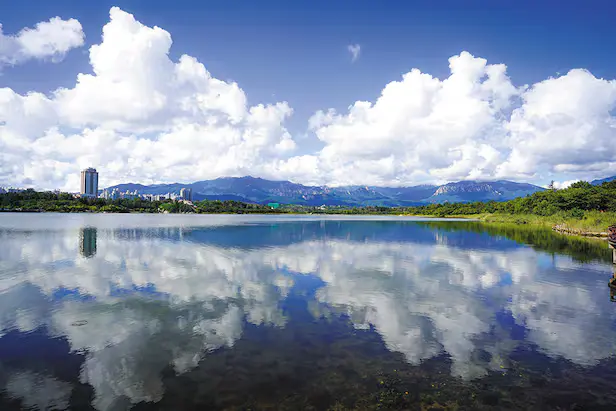
Yeongnangho Lake features a boardwalk with scenic bridges, picnic spots, and photo zones. A full loop walk takes around two hours and reveals diverse views from lakeside serenity to cultural sites like Beomgyangsa Temple.
Local Experience: Abai Village and Abai Sundae Town
Abai Village tells the story of North Korean refugees who settled in Sokcho during the Korean War. It’s accessible via the charming Gaetbae ferry, a hand-pulled raft across the narrow Cheongchoho waterway.
✓Don’t Miss: Local specialties like Abai Sundae (squid sausage) and a walk through the quiet beach nearby.
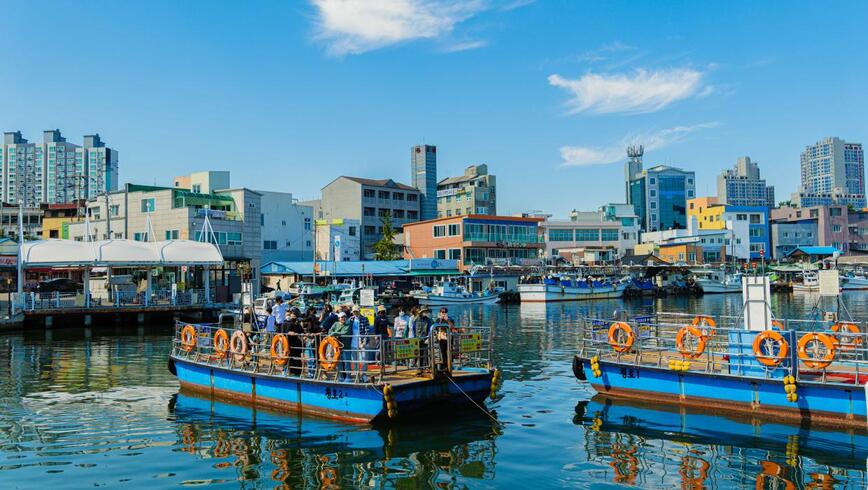
Just across from the village is the lively Sokcho Tourist Fishery Market, known for its wide variety of seafood, local snacks, and products.
Many visitors use the Gaetbae to travel between the market and Abai Village—an affordable and memorable mode of transport.
Indoor Exploration: Museum
If the weather turns or you’re traveling with kids, Sokcho offers engaging indoor spots as well:
National Mountain Museum
Located near the Seoraksan park entrance, this museum documents Korea’s alpine history with over 5,000 artifacts and climbing simulators.
• Admission: Free
• Hours: 9 AM – 6 PM (Closed Mondays)
What to Eat for a Meal
Hongge Naengmyeon at Nakcheon Hall (낙천회관)
• A refreshing cold noodle dish topped with fresh red crab.
• Also offers side dishes like squid sausage and pheasant dumplings.
Hearty Meals at Daechungmaru (대청마루)
• Known for traditional sundubu (tofu stew) and grilled pollack.
• Generous portions and family-friendly seating.
Sook’s Grilled Fish (숙이네 생선구이)
• Offers set menus featuring grilled cutlassfish, mackerel, and croaker, served with rice and side dishes.
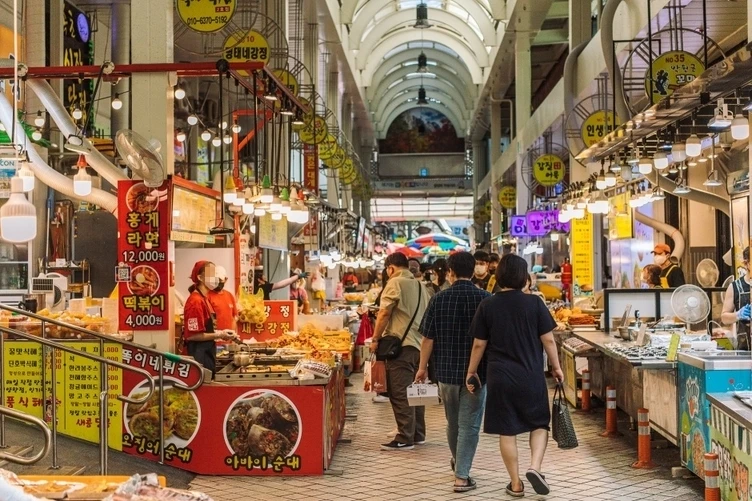
Sokcho Central Market: A Highlight of Local Food Experience
No Sokcho visit is complete without exploring the Sokcho Central Market, also known as Sokcho Tourist Fishery Market. Here's what you shouldn't miss:
Ttoki’s Fried Snacks
For something unique, visit the second branch of Ttoki’s Fried Snacks for the Nurungji Ojing-eo Sundae (crispy rice grilled squid stuffed with glass noodles). At 15,000 KRW, it’s pricier than the standard version but worth the crunch. • Note: Cooking takes time—watching it grilled is part of the fun
Makgeolli Rice Bread
Soft, chewy, and mildly sweet, these steamed rice buns are flavored with traditional Korean rice wine. Expect long lines, especially on weekends.
• Flavor: Sweet red beans or peas on top; fluffy and moist
Manseok Sweet Crispy Chicken
An icon of Sokcho, Manseok Dakgangjeong serves sticky-sweet fried chicken that’s popular both fresh and shipped. There are two branches in the market; the 시장주차장점 (near market parking) is often less crowded.
• Price: ~19,000 KRW for 1 box (bony version)

Other Local Picks
• Dried pollack strips: try before buying; milder than supermarket versions
• Twisted donuts from Koggiri Bunsik: Freshly made, 1,000 KRW each—crispy on the outside, fluffy inside
※ Bonus Market Tips
Parking Options:
• Sokcho Central Market Underground Lot: convenient but limited spots
• Tourist Fishery Market Outdoor Lot: more space, best for weekends
Both offer parking discounts if you purchase items inside (max 2 vouchers)
Travel Tips
Getting There: Sokcho is about 2.5 hours from Seoul via express bus. The Sokcho Intercity Bus Terminal is centrally located and offers easy access to most attractions.
Transportation: Renting a car is ideal for flexibility, but most key sites are reachable by local bus or taxi.
Accommodation: From beachside resorts to affordable guesthouses near the market, Sokcho has options for all budgets.
![[Cafe in Sokcho] Capturing the Charm of Sokcho's Eye Ferris Wheel, ‘A Wonderful Day’ Cafe - East Province, Gangwon-do](/api/image-proxy?path=blog_posts%2F1738737671758%2Fimage-0-1.webp&token=c524806d-9e9d-4814-8d73-aedf25544ec2)
![[Food in Seoul] Via Toledo Pasta Bar – The Culinary World of Chef Kwon Seong Joon (Napoli Mafia)](/api/image-proxy?path=blog_posts%2F1739008404442%2Fimage-0-via_toledo_01.webp&token=38c0e3d3-e02e-4bcb-b728-8c73df27e9ff)